
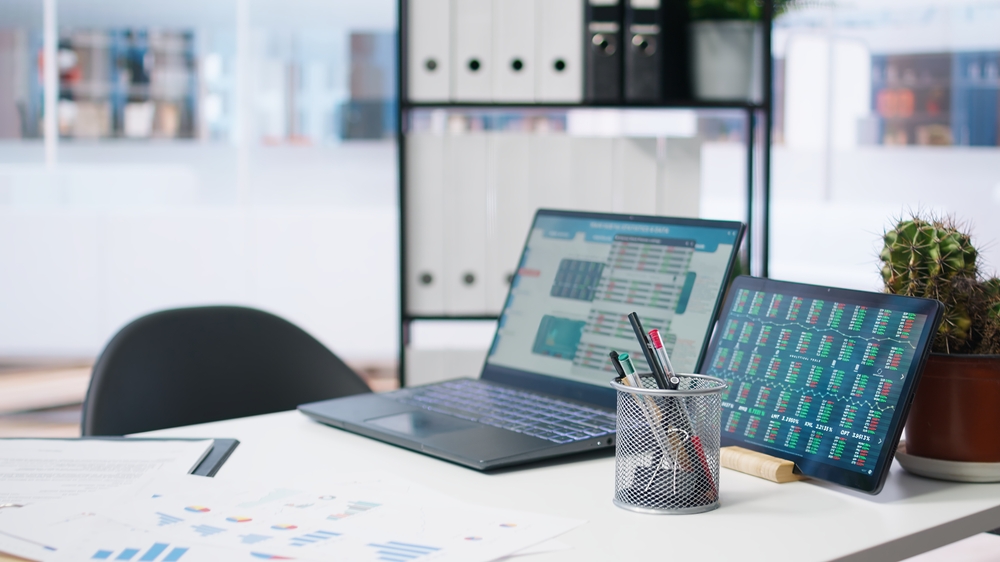
The prop trading industry is undergoing a quiet revolution – and it’s happening behind screens, across time zones, and often from the comfort of home. In 2025, nearly 70% of proprietary trading firms now operate with remote setups, marking a dramatic shift from the traditional model of in-office, high-pressure trading floors.
This change isn’t just about flexibility – it’s about talent, technology, and long-term survival in an increasingly competitive environment.
From Trading Floors to Global Teams
The COVID-19 pandemic may have sparked the move, but the momentum behind remote trading has only grown stronger since. What started as a contingency has become a core operating model for many firms, especially those seeking diversity of thought and market access.
By removing geographic barriers, firms are now sourcing talent from regions that were once logistically inaccessible. From Tokyo to Lagos, from Buenos Aires to Berlin, traders are plugging in – and bringing with them unique perspectives, strategies, and local market expertise.
Why Global Talent Matters
This global approach is about more than convenience. Firms that tap into non-traditional trading communities often uncover high performers who may have been overlooked in centralized recruitment pipelines. These traders not only add depth to strategy but also bolster risk management and diversification.
Remote teams also offer resilience: by distributing operations across multiple time zones and economic cycles, firms can operate nearly 24/7 – an edge in fast-moving markets.
The Tech That Makes It Work
At the heart of this remote revolution is cutting-edge technology. Cloud-based trading platforms, AI-powered analytics, and real-time monitoring systems allow for seamless collaboration and oversight – even when traders are thousands of miles apart.
Top-performing firms are also investing heavily in cybersecurity to protect sensitive data, and in custom dashboards that allow managers to monitor performance and compliance in real time.
Challenges Ahead
But remote trading isn’t without its risks. Time zone mismatches, cultural differences, and data security threats can undermine team cohesion and operational integrity.
Leading firms are responding with strong governance frameworks, robust training programs, and asynchronous communication strategies – like live dashboards, performance tracking, and regular video updates.
What This Means for the Future
As the industry matures, remote work isn’t a perk – it’s becoming the norm. For prop firms looking to stay competitive, attract diverse talent, and operate lean, remote models are proving not just viable, but vital.The message is clear: the next generation of great traders may not sit next to you – they may live on another continent. And that’s a strength.